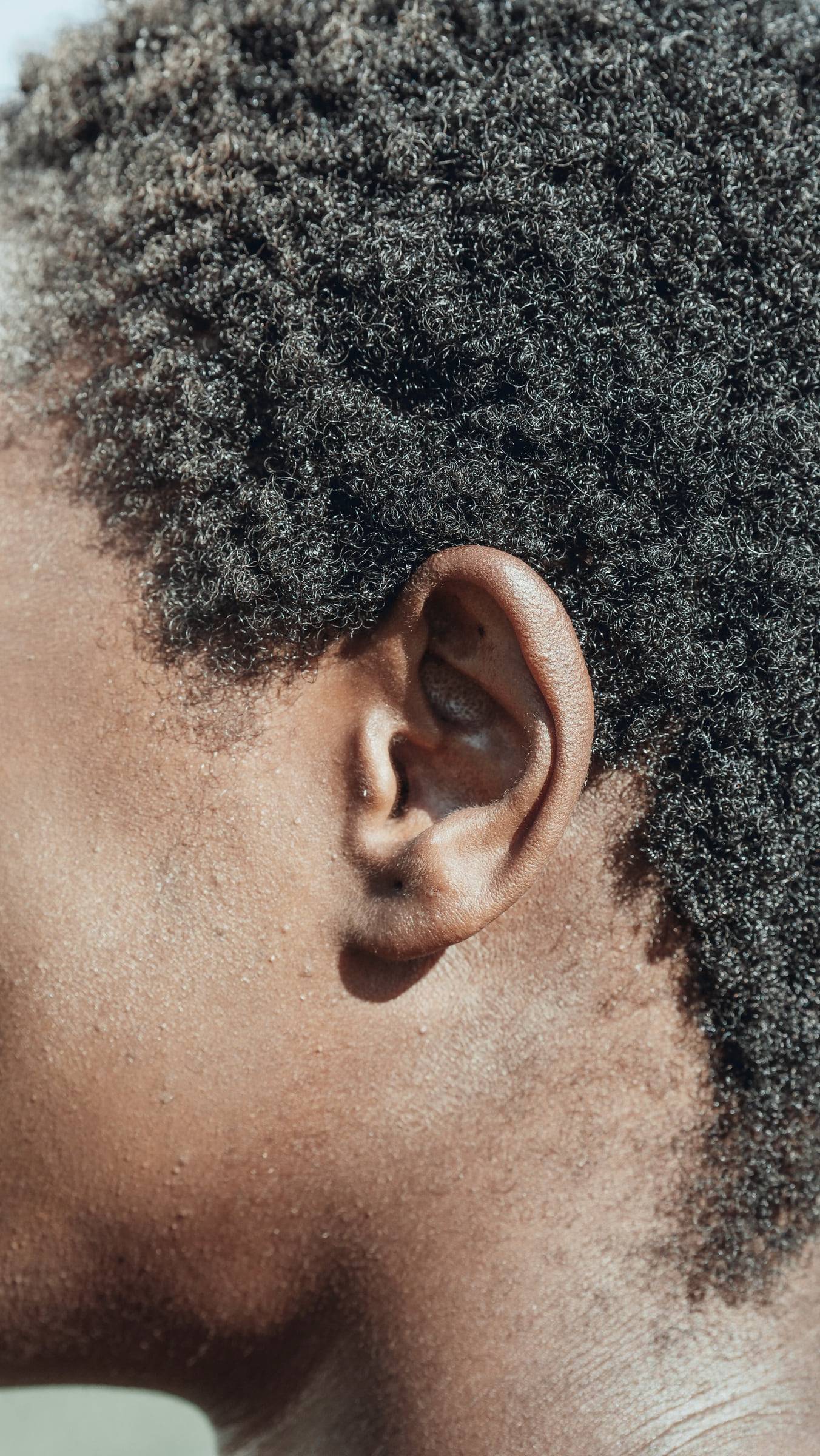
Afro-textured hair curves under the skin as well as above it, so taking out grafts safely needs adapted tools, a slower pace and experience. Done well, each curly graft covers more scalp than a straight one.
The same surgery in every package, sapphire FUE, DHI or both as your surgeon decides, with lunch on the day, your first wash and the medicines after surgery. Packages differ in hotel nights, PRP and aftercare.
Priced per package, not per graft: fixed, all taxes included, confirmed in writing before you travel.
Hair transplantation is surgery. Risks include infection, scarring, shock loss and grafts that grow poorly. Read about the risks
In straight hair, the follicle under the skin is fairly straight, so a round punch can follow it down. In Afro-textured hair, the follicle itself is curved, sometimes in a tight C or S shape. What you see above the skin does not show the surgeon where the root lies below it.
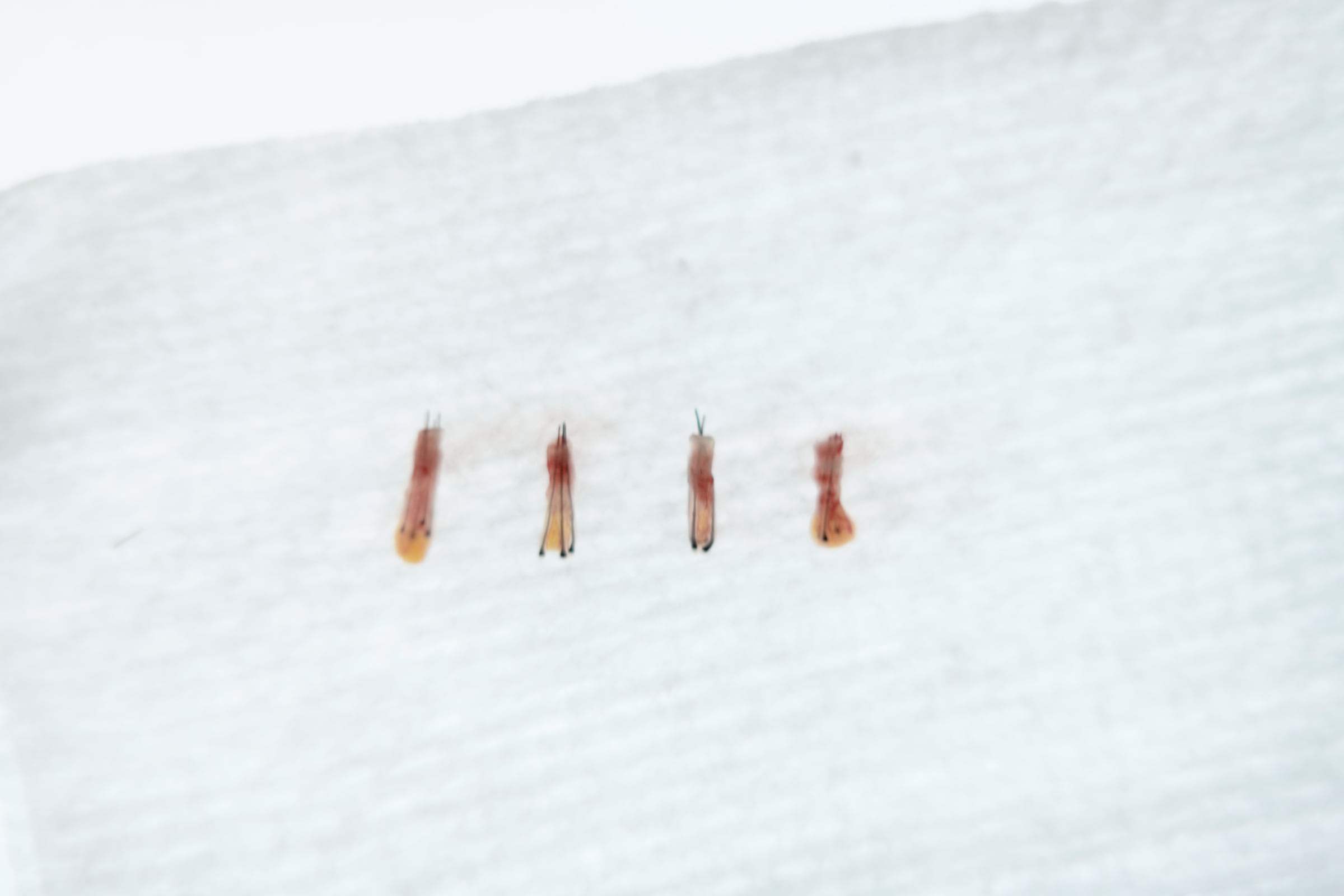
This creates the main risk in an Afro hair transplant: transection. That is when the punch cuts through the curved root by accident while the graft is taken out. A cut graft may grow poorly or not at all, and too many cut grafts waste donor hair that cannot be replaced.
The curl also helps. Curly hair stands away from the scalp and covers more skin than straight hair, so the same number of grafts usually looks fuller. On the other hand, Afro-textured scalps often have fewer follicles per square centimetre, so the donor supply can be smaller. Your surgeon plans with both in mind.
How the procedure is adapted
Afro hair can be transplanted well, but not with the settings used for straight hair. Surgeons who do this work regularly adapt three things:
The tools. Blunt, slightly wider or specially shaped punches are less likely to cut a curved root. The punch only loosens the upper part of the graft, which is then eased out gently.
The pace. Each graft takes longer to take out. Your surgeon may plan fewer grafts in one day than for straight hair, to keep each graft in good condition.
Testing first. A few test grafts are taken out and checked under magnification before the rest. If the test shows that this method does not suit your hair, your surgeon will tell you and explain the alternatives rather than carrying on.
Curl and coverage. A curly graft covers more scalp than a straight one. Our graft calculator takes your hair type into account.
Experience matters more here than with most hair types. Ask any clinic how many Afro-textured hair transplants the surgeon has done, and ask to see dated, consented results. Your coordinator can send you real, consented cases privately, ideally similar to your own hair.
Designing a natural hairline
Natural Afro hairlines are often lower and straighter than the hairlines of people with straight hair. Many form a broad, gently rounded line with little recession at the temples. A template designed for straight hair, with deep corners, can look out of place.
Try it yourself. Lower, straighter and rounded hairlines on a 3D model, coily hair included: the hairline designer.
Your surgeon designs the line with you, based on your face, your own hair pattern and your age. A hairline that suits you at 25 should still suit you at 50, when the hair around it may have thinned. The curl helps here too: placed at a low angle, curly hairs at the front give a soft edge rather than a hard line. As with our other hairlines, the first 2–3 rows normally use single-hair grafts.
Traction alopecia
Traction alopecia is hair loss caused by repeated pulling. Tight braids, cornrows, heavy locs, weaves, extensions and tight ponytails are common causes, usually at the hairline and temples. In the early stages, hair can recover if the pulling stops. After years of tension, the follicles scar and the loss becomes permanent.
A transplant can restore these areas, but only once the tension has stopped and the loss has been stable for some time. Afterwards, looser styles protect both the grafts and your own hair, because transplanted hair can be pulled out by tension too.
Results and recovery
Recovery is similar to any hair transplant: crusts and redness usually settle over about 2 weeks. Most transplanted hairs shed in the first weeks, and new growth starts from about month 3–4. Most of the result shows at about 12 months, and the crown can take up to 18 months.
As the shaved donor area grows back, tightly curled hairs can turn back into the skin and cause bumps. Tell us if you usually get razor bumps or ingrown hairs, so your surgeon can plan your aftercare around them.
Risks and side effects
The usual risks apply: swelling, temporary numbness, spots (folliculitis), shedding of your own hair, infection (rare) and grafts that do not grow well. Some risks matter more with darker skin and curly hair:
Keloids and raised scars can form in people who are prone to them. This is why we ask about your history before anything else.
Colour changes in the skin. Healing points in the donor area can end up lighter or darker than the skin around them. Hair a few millimetres long usually hides them, but they may show if you shave very short.
Lower growth if many grafts are cut while they are taken out. Test grafts and a slower pace are there to prevent this.
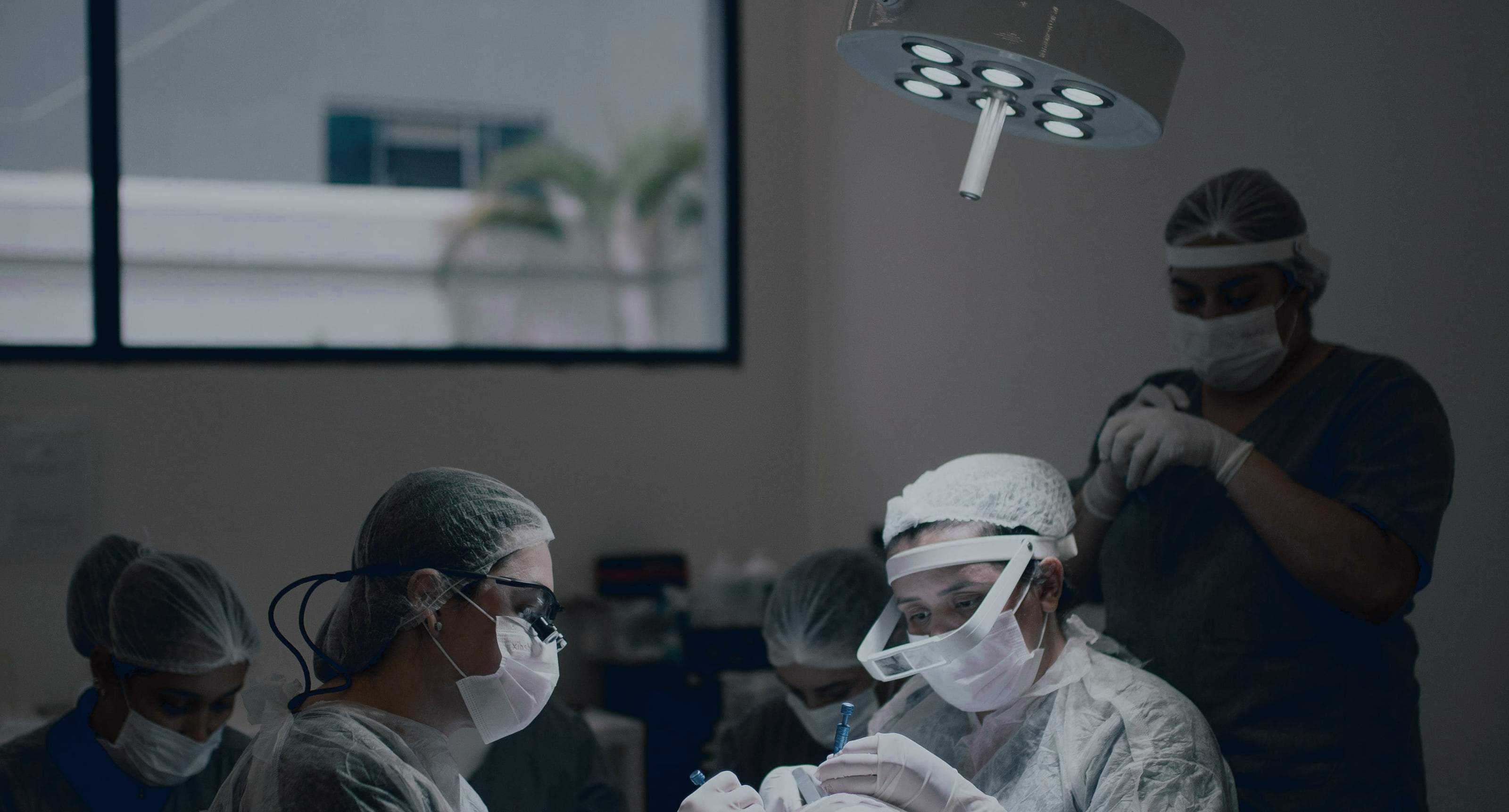
Our lead surgeon plans every procedure, with both surgeons on complex cases. On the day, your surgeon draws your hairline with you at the mirrorDonor hair is limited, so the plan protects it for later
Taking out the grafts
Your surgeon takes out grafts personally, with an experienced technician team working under their directionCareful extraction protects the donor area
Opening the channels, or the DHI pen
Your surgeon, personally: opens the channels in sapphire FUE, or places the grafts with the DHI pen in DHIThe most important steps: they set the angle, direction and density of your new hair
Patients per day
Usually two to three, with our two surgeonsYour surgeon leads every step and checks the work at each one, though not beside you every minute
Where
Surgery takes place in the operating rooms of licensed hospitals in Istanbul, Turkey
Aftercare and follow-up
Your coordinator and your surgeon, for 12 monthsAnything unusual can be picked up early
Questions
Questions aboutAfro hair transplant
Do I need more grafts because my hair is curly?
Often fewer for the same look, because each curly hair covers more skin. But Afro-textured scalps often have fewer follicles per square centimetre, so your donor supply can also be smaller. Your surgeon balances both when planning.
Am I at higher risk of scarring?
Keloids and thick, raised scars are more common in people with darker skin. Tell us if you or close family have had them, including after piercings or small cuts. Your surgeon may suggest a small test session first and wait a few months to see how your skin heals.
When can I wear braids, locs or a weave again?
Not until your surgeon says the area has healed and the new hair is established, which usually takes several months. After that, choose looser styles. Tight styles can cause traction alopecia again, in transplanted hair as well as your own.
Can my hairline be straight rather than receded at the corners?
Often, yes. Many people with Afro-textured hair have a naturally straighter hairline with little recession at the temples. Your surgeon designs a shape that suits your face and age, and that your donor area can support in the long term.
Can women have an Afro hair transplant?
Yes, especially for traction alopecia at the hairline and temples. Crown thinning in women with Afro-textured hair is sometimes a scarring condition called CCCA, which needs a dermatologist first. Your surgeon will tell you which applies to you.
When can I see my barber?
Ask your surgeon before your first cut, and especially before a line-up or edge-up near the new hairline. The skin needs to heal and the new hairs need time to grow. Your aftercare plan gives the timing for you.
Read next
PlanningAm I a good candidate for a hair transplant?Who is likely to be a good candidate for a hair transplant: stable hair loss, a strong donor area and realistic goals, and when it is wiser to wait.
PlanningHow many grafts do I need for a hair transplant?Typical graft numbers for each Norwood stage, what changes yours, from donor strength to hair thickness and curl, and why one session has a safe limit.
RecoveryHair transplant recovery week by week: what to expectRecovery after a hair transplant from day 1 to month 18: swelling, crusts, first washes, shedding and growth, and when people return to work, gym and sun.
Send four photos. Our lead surgeon replies with your plan, graft estimate and full price, usually within 24 hours. Free, and you are not committing to anything.