Hair transplant:how it works,who it suits,what it costs
A hair transplant moves hair that resists balding from the back of your head to where it has thinned. Your surgeon designs the hairline with you, takes out grafts personally and never takes more than 5,000 in one session, so your donor area lasts.
Men with pattern hair loss at the hairline, temples, front or crown: it follows a predictable shape, which the Norwood scale describes.
Diffuse thinning across the top, if the hair at the back and sides is strong.
People whose hair loss has slowed or follows a clear pattern, usually from about 25. Before that, the final pattern is hard to predict.
People with enough dense hair at the back and sides to share. Thin donor hair can limit the plan, sometimes to the hairline alone.
Anyone who wants to frame the face and give the look of fullness, and can wait 12–18 months for the full result.
Who should wait, or choose something else
Young men whose hair loss is still moving fast: a hairline placed now can end up isolated later, so slowing the loss first is usually wiser.
Hair loss from alopecia areata (round bald patches), a scarring condition, or shedding after illness or stress, until a doctor, often a dermatologist, has diagnosed it.
Thinning all over the scalp, including the back and sides.
Uncontrolled diabetes, bleeding problems or other conditions that make surgery unsafe.
Anyone expecting the density they had at 18. A transplant does not stop the rest of your hair from thinning either.
The same surgery in every package, sapphire FUE, DHI or both as your surgeon decides, with lunch on the day, your first wash and the medicines after surgery. Packages differ in hotel nights, PRP and aftercare.
Priced per package, not per graft: fixed, all taxes included, confirmed in writing before you travel.
Hair transplantation is surgery. Risks include infection, scarring, shock loss and grafts that grow poorly. Read about the risks
A hair transplant is surgery under local anaesthetic that moves your own hair from where it is plentiful to where it has thinned. Small groups of hair roots, called grafts, are taken out from the back and sides of your head. Each graft is then placed in the hairline, front or crown.
The back and sides are used because hair there usually resists the hormone behind pattern hair loss. Moved hair keeps that quality: it behaves like the place it came from, not the place it goes to. Doctors call this donor dominance.
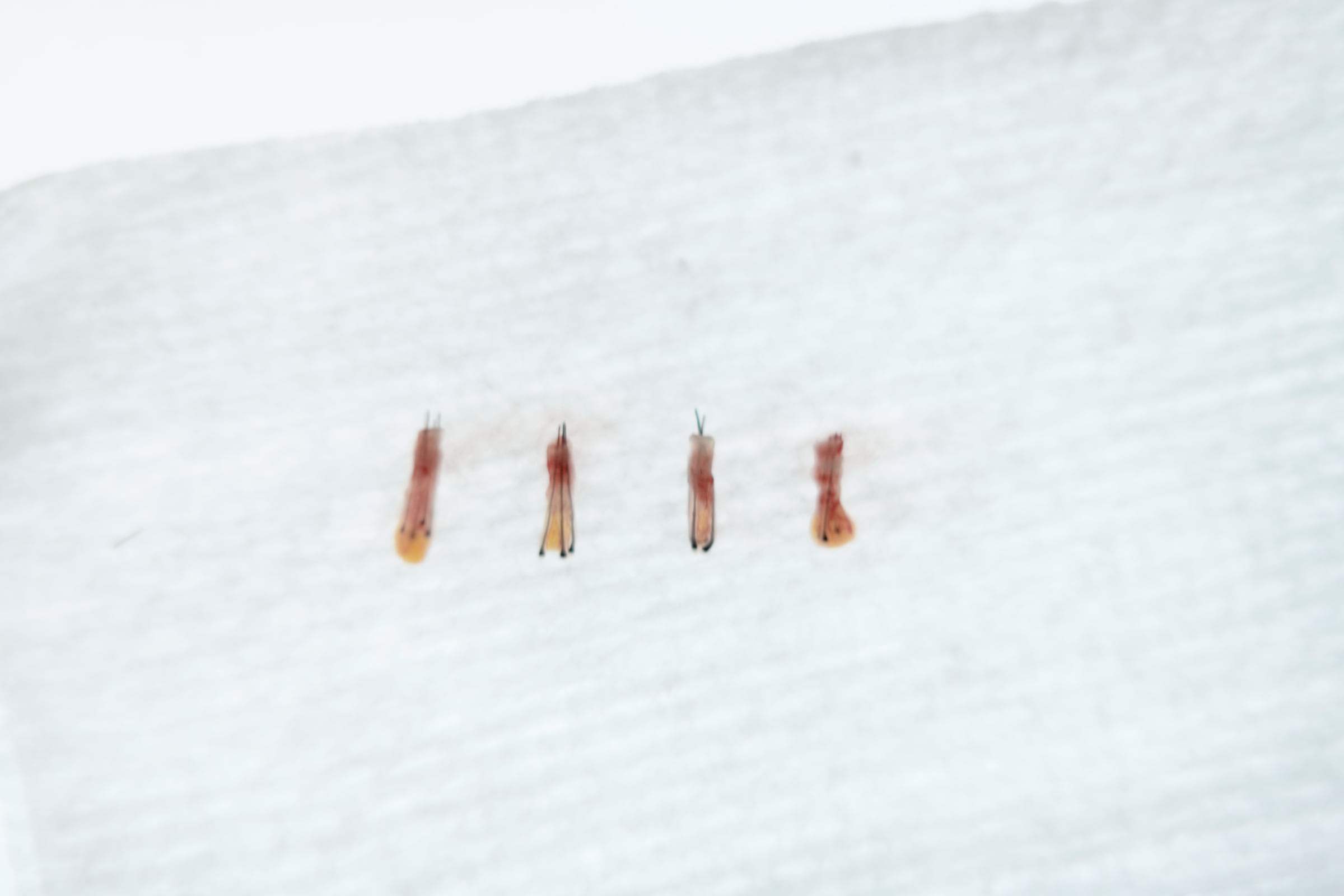
A transplant moves hair. It does not create new hair. Each graft holds 1–4 hairs, about 2.2 on average, and most donor areas can give 4,000–6,000 grafts in a lifetime. Good planning means spending that limited supply where it changes your look the most.
Whether it suits you depends on your pattern of hair loss, your donor area and your expectations, as set out above. Our guide Am I a good candidate? goes through each one, and our lead surgeon tells you honestly from your photos whether surgery is right for you, or not yet.
Sapphire FUE, DHI and hybrid in brief
Every technique we use takes grafts out the same way: one by one, with a tiny round punch, usually 0.8–1 mm wide. This is called FUE extraction. The techniques differ in how the grafts go back in, and our surgeons choose between them by how much hair you still have in each area.
FUE or DHI? Our guide compares the two step by step: FUE vs DHI.
Technique
How the grafts go in
When our surgeons use it
Sapphire FUE
Tiny channels are opened with a sapphire blade, then the grafts are placed into them
Bald or nearly bald areas, and some hairlines
DHI
A pen-like implanter makes the opening and places the graft in one move
Thinning areas where you still have hair, women, second procedures and many hairlines
Hybrid
Sapphire FUE and DHI in the same procedure
Some patients, case by case: for example, a bald front with a thinning crown
Sapphire FUE covers bald areas quickly and evenly. DHI places each graft precisely between existing hairs, so it suits areas that are thinning rather than bald, such as the crown or mid-scalp. At the hairline, our surgeons choose between the two case by case: the fine sapphire blade can allow very close packing, and DHI places each graft in one move.
A hybrid is not our standard plan. Your surgeon decides case by case whether it helps you; it is not something you need to choose. Both techniques cost the same. Each one has its own page: sapphire FUE, DHI and FUE.
An older method, strip surgery (FUT), removes a thin strip of scalp and leaves a line scar across the back of the head. All our packages use FUE extraction instead.
What your surgeon does on the day
The trip usually takes about 3 days in Istanbul: your trip sets them out hour by hour, and our travel guide covers visas and flights. Surgery day follows the same order for everyone, step by step further down this page. Three parts of it decide how natural your result looks.
Try it yourself. Hairline shapes, heights and temple corners on a 3D model: the hairline designer.
Your hairline is designed before any surgical step. Your surgeon draws it and checks it with you at the mirror. A natural hairline is not a straight line. It has a slightly irregular edge and soft temple points, set at a height that will still suit you at 50 and 60. This is the moment to raise any doubts.
The grafts are taken out one by one, and your surgeon takes out grafts personally. Each is sorted by how many hairs it holds and kept cool in a storage solution until it goes in. The first 2–3 rows of the hairline get single-hair grafts only, which make the edge look soft. Behind them go grafts with 2, 3 or 4 hairs, depending on what your donor area gives, to build density.
Then comes placement. Your surgeon plans the angle and direction of the grafts in each zone, then opens the channels personally with a sapphire blade, or places the grafts personally with the DHI pen. This is what makes the new hair lie like your own.
We never take more than 5,000 grafts in one session, for anyone. Taking more at once risks over-harvesting the donor area, which can leave the back of your head thin for good.
One session or two? The graft calculator counts the grafts for your stage and shows whether your plan needs two sessions.
At Norwood 6–7, and in some Norwood 5 cases, we always plan two sessions. The hairline and front come first. You come back for the crown at least 8–9 months later. For example, if you need about 7,000 grafts, you would have about 4,500 in the first session and about 2,500 in the second, never 7,000 at once. The exact split depends on your scalp and is up to your surgeon. We do not make exceptions to this.
A session is done in one day. It is spread over 2 days only when chest hair grafts are used, because they are taken under sedation, or when a large unshaven case needs it. Your plan tells you if this applies to you.
Good planning also keeps something in reserve. Your hair may keep thinning over the next 10 years. If it does, you may want a second session, and your donor area has to be able to supply it. To protect the hair you still have, your surgeon may discuss medication such as finasteride or minoxidil.
Recovery
The first 2 weeks are about protecting the new grafts. You sleep on your back with your head raised for the first 3–5 nights. Swelling of the forehead is common around days 2–5 and can reach the eyes before it settles.
Small scabs form around each graft and usually come away with gentle washing by day 10–14. Your first wash is at the clinic, the day after surgery. Redness fades over 10–14 days, although fair skin can stay pink for a few weeks longer. The back of your head may feel tight or numb for a while; this usually settles within a few months.
Most people return to desk work after 7–10 days. Before you fly home, we go through washing, sleeping and activity limits with you and give you a written plan. The medicines you need after surgery are included in every package. Our aftercare page goes through it day by day, our guide Recovery, week by week explains each stage, and the recovery timeline shows the year at a glance.
When you will see results
Transplanted hair grows on its own schedule, and the first months can test your patience.
Weeks 2–8: most transplanted hairs shed. The roots stay in place and rest.
Months 3–4: fine new hairs start to appear.
Month 6: most people see about half of the final result.
Month 12: most of the result is visible, and hairs keep thickening.
Up to month 18: the crown, which grows more slowly, catches up.
Your surgeon reviews the photos you send at 1, 3, 6, 9 and 12 months, so any problem is spotted early. Judge your result at 12 months, not before.
Risks and side effects
A hair transplant is surgery, and no surgery is free of risk. The common side effects are temporary: swelling, numbness, itching, and small spots (folliculitis) as new hairs break through the skin.
Some of your existing hair near the grafts may shed for a few months. This is shock loss, and that hair usually grows back. Infection is rare. Some grafts may grow poorly, and rarely, cysts or raised scars form. Badly planned surgery can leave an unnatural hairline. Over-harvesting, meaning too many grafts taken from the donor area, can leave the back of the head thin or visibly scarred.
Two things protect you most: a plan that respects your donor supply, and a surgeon who leads your procedure and checks every stage.
You can lower your own risk too. Tell us about every medicine and supplement you take, including blood thinners, and never stop a prescribed medicine without asking the doctor who prescribed it. Smoking and other forms of nicotine slow wound healing, so avoid nicotine in any form, and alcohol, for at least 2 weeks before and 2 weeks after surgery. For the first 2 weeks, follow the washing and sleeping instructions closely.
Front, top, crown and back. Our lead surgeon reviews them and sends a plan, a graft estimate and the full price, usually within 24 hours.
2
Arrive the day before
You arrive in Istanbul the day before your surgery, so you can rest before the procedure.
3
Tests and hairline design
On surgery day you have blood tests first. Then you meet your surgeon, who examines your scalp and agrees your hairline with you at the mirror.
4
Surgery
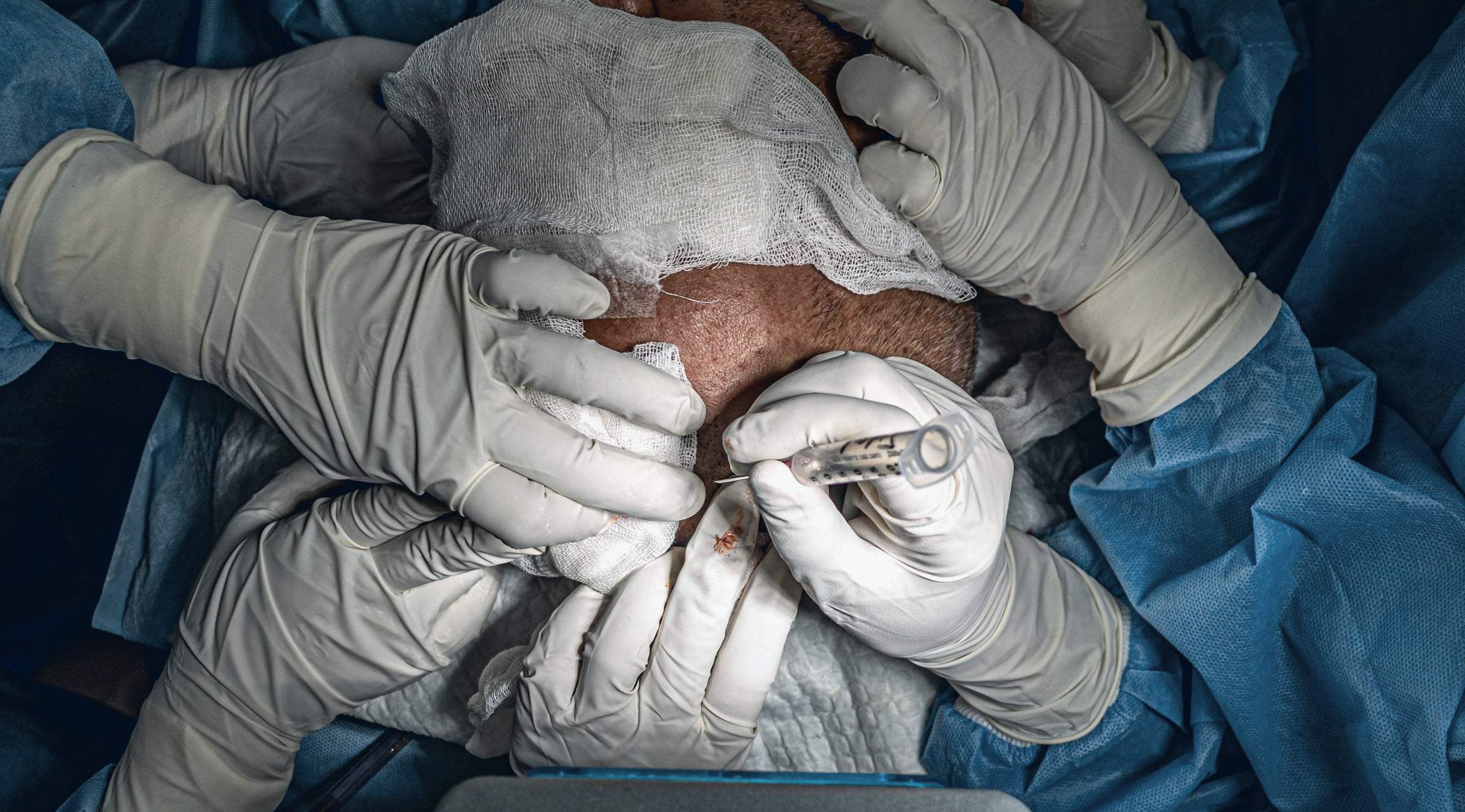
After shaving, if your plan needs it, and local anaesthetic, with adrenaline to reduce bleeding, the grafts are taken out and, for sapphire FUE, the channels are opened at the angle and direction your surgeon plans. After lunch, which is included, the grafts are placed and you go back to your hotel to rest.
5
Check-up and first wash
The next day we check your scalp, wash your hair and go through your aftercare plan before you fly home.
6
12 months of follow-up
You send photos at 1, 3, 6, 9 and 12 months. Your surgeon reviews every set and answers your questions.
Who does what
Your surgeon leadsyour whole procedure
Ask any clinic you are considering who will actually do each step of your procedure. Here is what doctor-led means at Dr. Grafts.
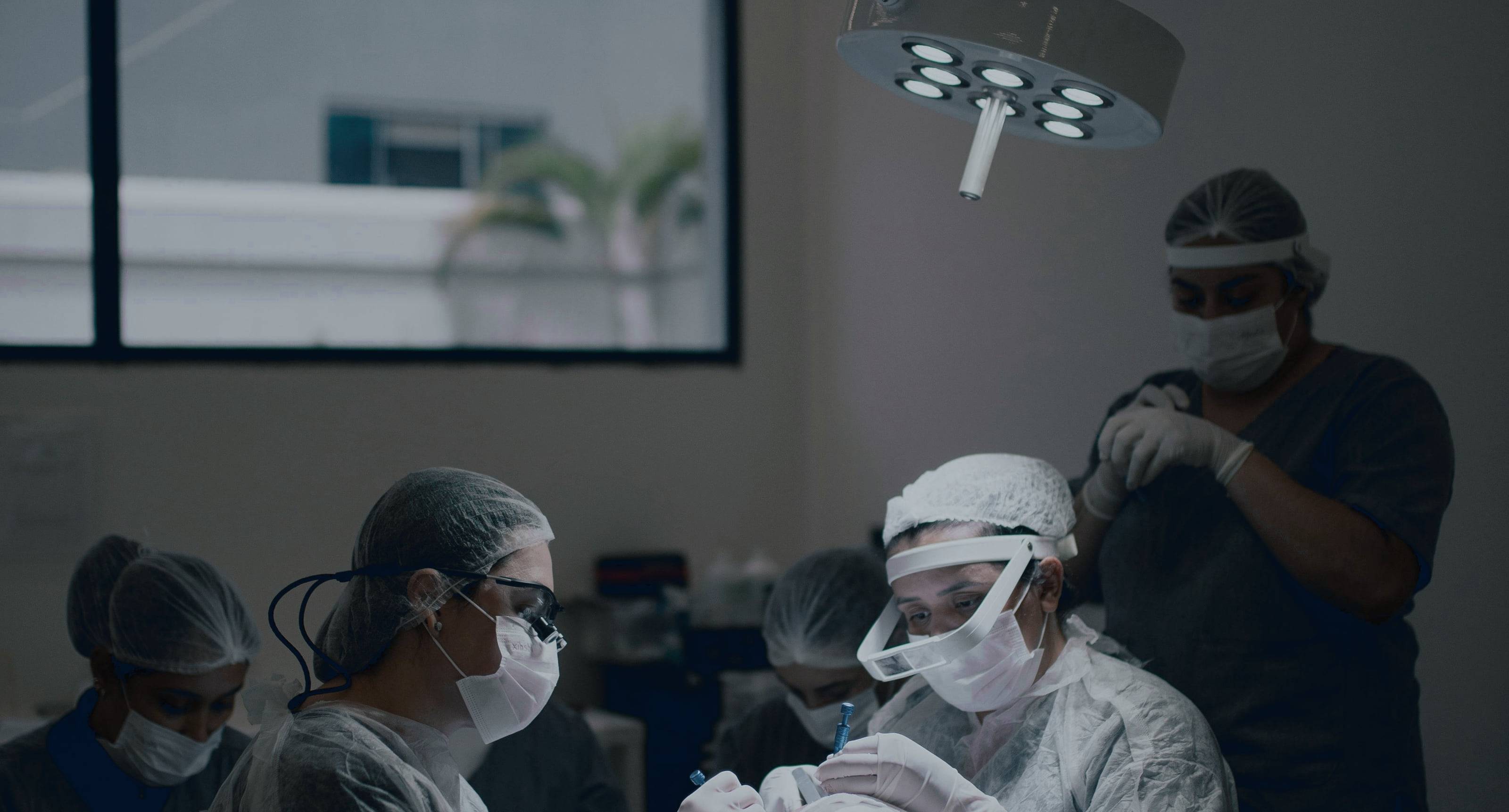
Our lead surgeon plans every procedure, with both surgeons on complex cases. On the day, your surgeon draws your hairline with you at the mirrorDonor hair is limited, so the plan protects it for later
Taking out the grafts
Your surgeon takes out grafts personally, with an experienced technician team working under their directionCareful extraction protects the donor area
Opening the channels, or the DHI pen
Your surgeon, personally: opens the channels in sapphire FUE, or places the grafts with the DHI pen in DHIThe most important steps: they set the angle, direction and density of your new hair
Patients per day
Usually two to three, with our two surgeonsYour surgeon leads every step and checks the work at each one, though not beside you every minute
Where
Surgery takes place in the operating rooms of licensed hospitals in Istanbul, Turkey
Aftercare and follow-up
Your coordinator and your surgeon, for 12 monthsAnything unusual can be picked up early
Questions
Questions aboutHair transplant
How many grafts can I have in one session?
Never more than 5,000, for anyone. Taking more at once risks over-harvesting the donor area, which can leave the back of your head thin for good. If you need more, your plan is split into two sessions.
Can I have a second transplant later?
Often, yes, if your donor area still has grafts to spare. Some plans have two sessions from the start, with the second at least 8–9 months after the first. Otherwise we wait until the first result has grown in, usually about 12 months, before planning more. If your own hair around the transplant has thinned by then, the second procedure is usually done with DHI, between the hair you still have.
How long until people cannot tell I had surgery?
Scabs usually come off with gentle washing by day 10–14, and redness fades over the same time. After that wash, a loose cap is fine. If your head was shaved, the hair takes a few weeks to grow back to a short, even length. Many people plan around 2 weeks before seeing colleagues or friends.
Do I need to take medicine after a transplant?
Transplanted hair usually does not need it. Your existing hair can keep thinning, though, and over the years that can leave gaps behind a new hairline. Your surgeon may discuss medication such as finasteride or minoxidil and its possible side effects; the choice is yours.
Can a transplant help if I am very bald?
Often partly. At Norwood 6–7 we always plan two sessions. The hairline and front come first, because they frame your face, and the crown follows at least 8–9 months later. For example, someone who needs about 7,000 grafts would have about 4,500 and then about 2,500, never 7,000 at once. The bald area can be larger than your donor area can fully cover, so the crown may stay thinner, and beard hair can sometimes add grafts.
What if my result is weaker than expected?
Your surgeon reviews your photos at every check-up, and growth is judged at 12 months, or 18 months for the crown. If growth is less than planned, your surgeon talks you through the options on WhatsApp and decides with you, case by case. We cannot promise how every graft will grow: genetics and other factors outside anyone’s control play a large part.
Read next
PlanningAm I a good candidate for a hair transplant?Who is likely to be a good candidate for a hair transplant: stable hair loss, a strong donor area and realistic goals, and when it is wiser to wait.
PlanningHow many grafts do I need for a hair transplant?Typical graft numbers for each Norwood stage, what changes yours, from donor strength to hair thickness and curl, and why one session has a safe limit.
SafetyHair transplant risks and side effects explainedAn honest list of hair transplant risks and side effects, how a careful clinic lowers them, what is normal after surgery and when to call your clinic.
Send four photos. Our lead surgeon replies with your plan, graft estimate and full price, usually within 24 hours. Free, and you are not committing to anything.