Aftercare
Aftercare after your hair transplant
What to do, day by day, so your grafts settle well. Your surgeon gives you written instructions too, and those always come first.
Chest pain, trouble breathing or fainting: call the emergency number first. 112 in Türkiye, free from any phone; at home, your own country’s number.
Contact the clinic straight away if you have
- Bleeding that does not stop after 15 minutes of steady pressure with clean gauze
- A temperature of 38 °C or more
- Redness that spreads
- Pus, or a cloudy or bad-smelling discharge
- Pain or swelling that gets worse
- A rash or hives after a medicine
When can I…?
| Activity | Usually from |
|---|---|
| Walk | Day 1 |
| Work at a desk | Days 7 to 10 |
| Sex and strenuous activity | About day 10 |
| Wear a loose, clean cap | After the scab wash, day 10 to 14 |
| Physical, dusty or sweaty work | About week 2 (ask us) |
| Sunscreen on the scalp | Week 2 |
| Haircut with scissors | Weeks 3 to 4 |
| Gym, running and weights | Month 1 |
| Pool, sea, sauna and hammam | Month 1 |
| A helmet | Week 4 at the earliest (ask us) |
| Hair dye | Week 6 at the earliest |
| Clippers or shaving on the grafted area | Ask us first |
General guidance. Your surgeon confirms your own timings, and your written instructions come first.
Day of surgery
The first nights
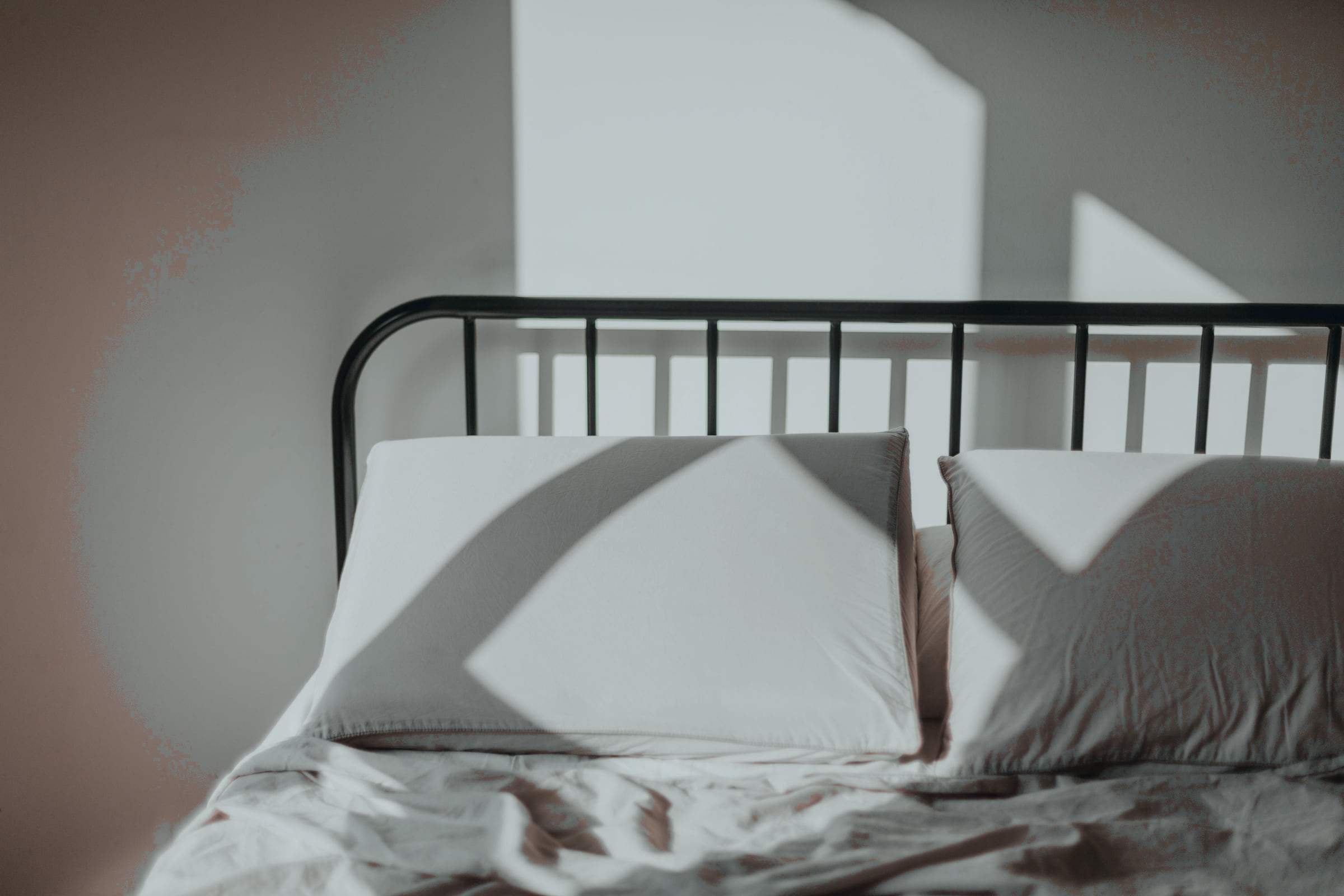
- For the first 3 to 5 nights, sleep on your back with your head raised on 2 or 3 pillows or a recliner. A neck pillow helps; a towel catches normal oozing.
- Keep the grafts off the pillow and do not touch, scratch or rub them.
- Take only the medicines the clinic gives you, exactly as written in your instructions.
- No alcohol and no nicotine in any form, including shisha and vapes, for at least 2 weeks.
Day 1
Your first wash
- Your first wash is at the clinic, the day after surgery. We show you how.
- Until about day 14, wash gently: pour water from a cup, pat, never rub, and no strong shower jet on the grafts.
- Walking is fine from day 1.
Days 2–14
Swelling, washing and crusts

- Swelling of the forehead and around the eyes is common around days 2 to 5 and usually settles within a week. Keep your head up.
- Crusts are normal and come off with gentle washing, usually by day 10 to 14. Never pick them.
- Itching is common. Do not scratch; gentle washing helps. Tell us if it is strong or does not stop.
- Do not touch, rub, comb or brush the grafts for 2 weeks.
Weeks 2–4
Back to normal life
i
Model photo, not a patient- No hat or cap until after your scab wash, usually 10 to 14 days after surgery; then only a loose, clean cap.
- Keep your scalp out of direct sun for a month, in the shade or under a loose cap. Sunscreen only after 2 weeks.
- No gym, running, weights or anything that makes you sweat or strain for 1 month. No pool, sea, sauna, steam room, hammam or hot tub for 1 month.
- Most transplanted hairs fall out between weeks 2 and 8. This is normal: the roots stay.
Months 1–12
Growing in

i
Model photo, not a patient- Send your photos at 1, 3, 6, 9 and 12 months. Your surgeon reviews every set.
- New hair starts at about months 3 to 4. Some nearby hair may thin for a while and usually grows back.
- Pimple-like spots can appear for weeks to a few months: tell us. Numbness usually fades over 4 to 8 months.
- Restart minoxidil only when your written instructions say so.
Planning your recovery? Start with four photos.
Our lead surgeon replies with your plan, graft estimate and full price, usually within 24 hours. On surgery day you go back to your hotel with your written aftercare instructions.
Like any surgery, a hair transplant has risks. They include infection, scarring, shock loss and grafts that grow poorly. Read about the risks