Women’s hair loss is often spread across the scalp, so surgery is not always the answer. When the loss is stable and the back of the scalp is strong, a transplant can add density among thinning hair, lower a hairline, fill traction loss or cover a scar.
The same surgery in every package, sapphire FUE, DHI or both as your surgeon decides, with lunch on the day, your first wash and the medicines after surgery. Packages differ in hotel nights, PRP and aftercare.
Priced per package, not per graft: fixed, all taxes included, confirmed in writing before you travel.
Hair transplantation is surgery. Risks include infection, scarring, shock loss and grafts that grow poorly. Read about the risks
In men, pattern hair loss usually follows a clear map: the temples, the crown, then the top. In women it is more often diffuse. The hair thins across the top of the head and the parting widens, while the front hairline usually stays where it was. Doctors often describe this with the Ludwig scale. In some women, the back and sides thin too.
This matters because a transplant moves hair; it does not create new hair. Surgery works when there is a strong, stable donor area at the back and a clear area to fill. When thinning is spread out, the donor hair may be weak as well, and moving it can leave both areas thinner. That is why many women are better served by medical treatment, at least at first.
Is surgery right for you?
The type of hair loss you have decides what is likely to help. This table shows the common types and what usually comes first.
The Ludwig scale. Doctors use it to describe female pattern hair loss: thinning on top of the head, while the front hairline usually stays.
Type of hair loss
What it often looks like
What usually comes first
Diffuse pattern thinning
Thinner hair across the top and a wider parting
Medical treatment; then DHI between your own hairs if the loss is stable and the back of the scalp is strong
Shedding after a trigger
A lot of hair falling out a few months after illness, childbirth, stress or a strict diet
Finding the cause; it usually settles on its own
High or uneven hairline
A naturally high forehead or deep corners
A transplant can lower or reshape the line
Traction alopecia
Loss at the hairline or temples after years of tight styles
Easing the tension; a transplant once the loss is stable
Scarring hair loss
Smooth, shiny patches, sometimes with itching or redness
A dermatologist first; surgery only if the condition is inactive
Scars
No hair after an injury, a burn or surgery
A transplant, sometimes in more than one session
Hairline lowering suits many women well, because the area to fill is clear and the donor hair is often healthy. Female hairlines are usually rounded and soft, without the temple recession a man’s design would include. Your surgeon plans fine single-hair grafts for the first 2–3 rows, so the edge does not look like a drawn line.
Medicines first? What the research shows for each one: our guide to hair loss medicines.
If you are not sure which group you are in, that is what your free plan is for. Send photos for your free plan, and our lead surgeon will tell you honestly whether surgery makes sense.
Tests before surgery
Women’s hair loss has many possible causes, and several of them cannot be fixed with a transplant. Blood tests commonly include iron stores (ferritin), thyroid function and a full blood count. If you have signs of a hormone imbalance, such as irregular periods, acne or extra facial hair, hormone tests may be added. Your surgeon may ask you to have some of these at home before you travel, so you do not make the trip for nothing.
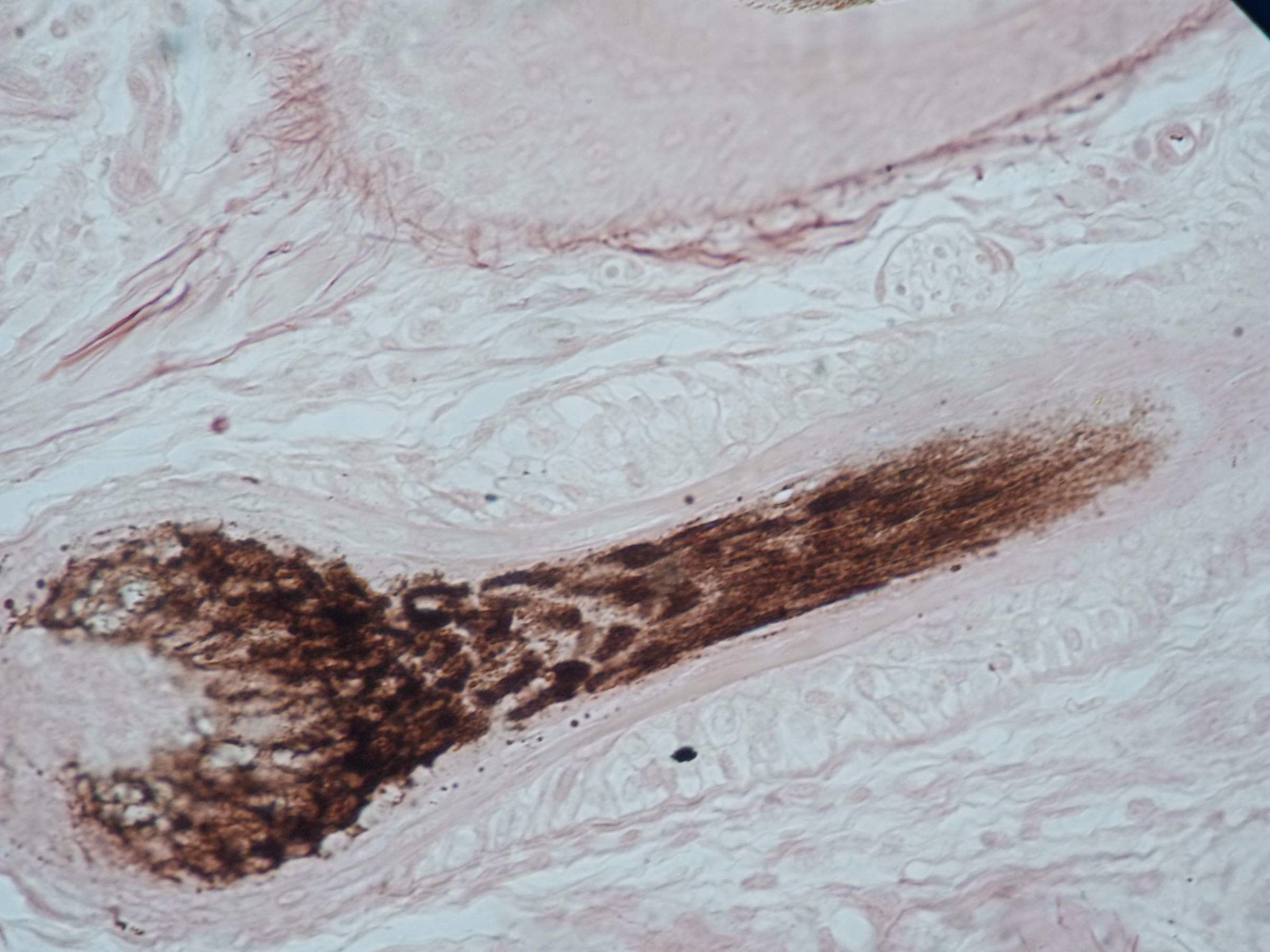
Your surgeon also examines your scalp under magnification. This shows whether the hairs in your donor area are healthy or are getting finer too. If anything suggests a scarring condition or another cause, we may ask for a dermatologist’s opinion before going ahead. It can feel slower, but it protects you from surgery that would not last.
Shaving and keeping your hair long
Most women would rather not shave their head, and for most women it is not needed. Our surgeons usually use DHI for women, which places each graft between your existing hairs. A narrow strip at the back is usually trimmed for extraction, and your longer hair covers it when you let it down.
The treated area is shaved only if you ask for it or your plan needs it, for example when the thinning is spread widely and long hair would get in the way of the grafts. Your surgeon tells you during your assessment.
Results and recovery
Crusts and redness usually settle over about 2 weeks, and your aftercare plan covers washing and styling in the meantime. Women are more likely than men to notice temporary shedding of their own hair around the treated area in the first weeks. It usually grows back over a few months, but hairs that were already very weak may not.
New growth starts from about month 3–4, and the recovery timeline shows each stage. Most women see about half the result at 6 months and most of it at 12 months. A transplant adds density to the hair you have; it does not bring back the thickness you had at 20. Many women continue medical treatment, and some add PRP, to protect the hair they have.
Risks and side effects
The risks are the same as for any hair transplant. They include swelling, temporary numbness, small spots (folliculitis), shedding of your own hair, infection (rare) and grafts that do not grow well. If too many grafts are taken, or they are taken carelessly, the back of the scalp can look thin. For women this risk is higher when the donor hair is already fine, which is one more reason we check it closely first.
Send photos of your hairline, parting, top and back. Tell us about your health, any hormonal symptoms and the medicines you take.
2
Medical work-up
Your surgeon may ask for blood tests, such as iron stores and thyroid function, and sometimes a dermatologist’s opinion before confirming the plan.
3
Planning on the day
On surgery day you have blood tests first. Then your surgeon checks your donor area under magnification and designs the hairline or the areas to fill with you at the mirror.
4
The procedure
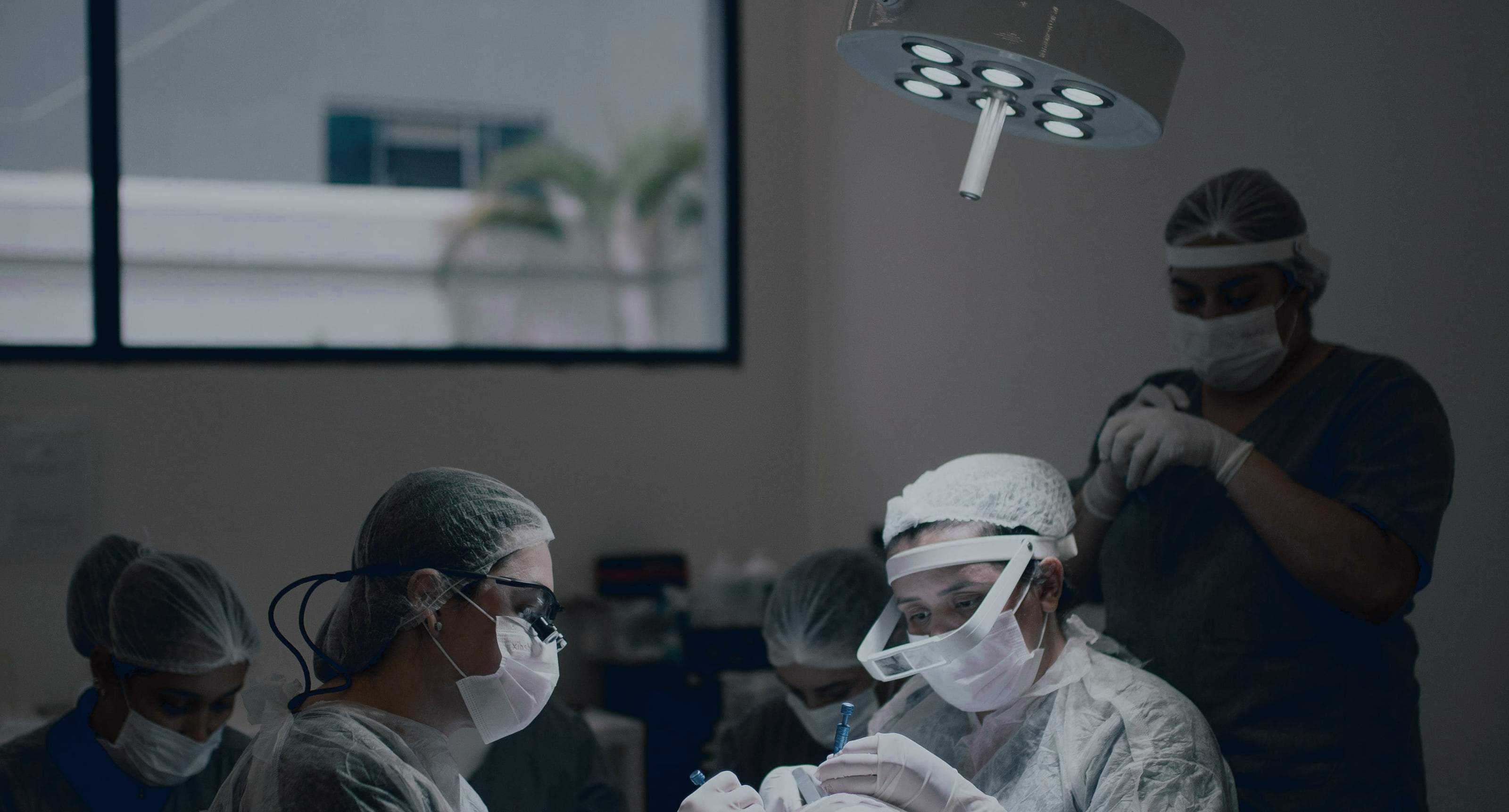
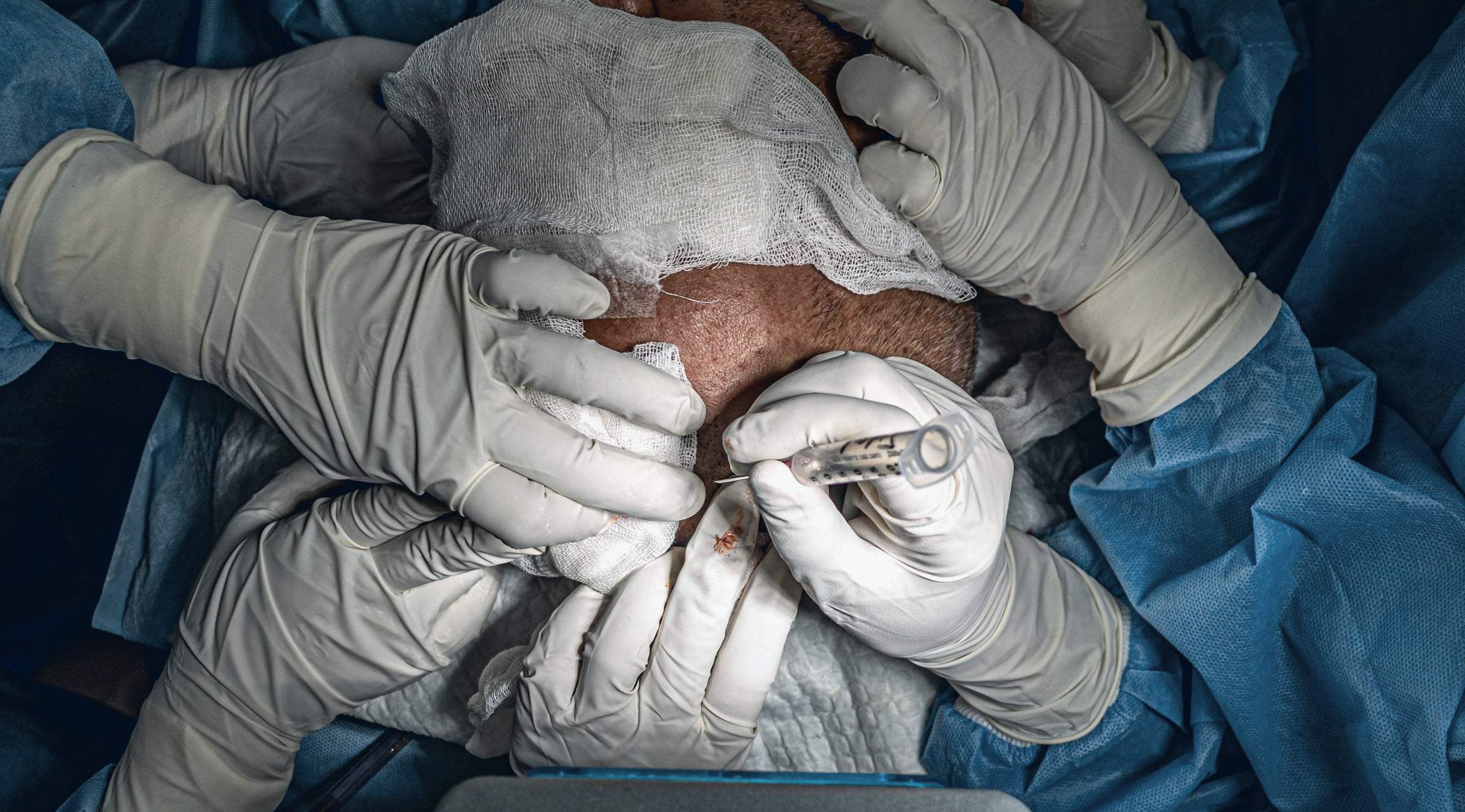
Under local anaesthetic, grafts are taken out one by one from the back of your scalp. After a lunch break, they are placed between your own hairs at their natural angle, usually with DHI.
5
Healing and follow-up
Crusts and redness usually settle over about 2 weeks. New growth starts from month 3–4, and your surgeon reviews your photos for 12 months.
Who does what
Your surgeon leadsyour whole procedure
Ask any clinic you are considering who will actually do each step of your procedure. Here is what doctor-led means at Dr. Grafts.
Our lead surgeon plans every procedure, with both surgeons on complex cases. On the day, your surgeon draws your hairline with you at the mirrorDonor hair is limited, so the plan protects it for later
Taking out the grafts
Your surgeon takes out grafts personally, with an experienced technician team working under their directionCareful extraction protects the donor area
Opening the channels, or the DHI pen
Your surgeon, personally: opens the channels in sapphire FUE, or places the grafts with the DHI pen in DHIThe most important steps: they set the angle, direction and density of your new hair
Patients per day
Usually two to three, with our two surgeonsYour surgeon leads every step and checks the work at each one, though not beside you every minute
Where
Surgery takes place in the operating rooms of licensed hospitals in Istanbul, Turkey
Aftercare and follow-up
Your coordinator and your surgeon, for 12 monthsAnything unusual can be picked up early
Questions
Questions aboutWomen’s hair transplant
Can a hair transplant help a widening parting?
Sometimes. If the thinning is limited to the parting and the top, and the back of your scalp is strong, grafts can add density. If your whole scalp is thinning, surgery is unlikely to help, and medical treatment is usually the better route.
Can I cover my hair after surgery?
Yes. If you wear a headscarf or hijab, tell us during your assessment. Your surgeon will explain how and when you can cover your hair without pressing on the grafts, and when you can go back to your usual style.
Can I have a transplant after having a baby?
Many women shed a lot of hair a few months after giving birth. This usually settles on its own, and for most women hair is back to its usual fullness within about a year. If thinning remains after that, we can assess you once you have finished breastfeeding.
Will I need to keep using hair loss treatment?
If you have female pattern hair loss, usually yes. A transplant moves hair but does not stop your own hair from thinning. Your doctor may discuss treatment such as minoxidil. Some hair loss medicines are not suitable in pregnancy, so tell your doctor if you are planning one.
How much can my hairline be lowered?
It depends on the size of your forehead, the direction of your hair and how many grafts your donor area can give. Your surgeon judges this from your photos and in person. A bigger change needs more grafts, and some women need a second session to reach full density.
Can I ask for female staff?
Yes. Ask your coordinator when you book, and we tell you what we can arrange for your day.
Read next
PlanningAm I a good candidate for a hair transplant?Who is likely to be a good candidate for a hair transplant: stable hair loss, a strong donor area and realistic goals, and when it is wiser to wait.
RecoveryShock loss after a hair transplant: what is normal?Why hair sheds 2–8 weeks after a hair transplant, how it differs from losing your own hair, what helps it grow back and when to call your clinic.
Send four photos. Our lead surgeon replies with your plan, graft estimate and full price, usually within 24 hours. Free, and you are not committing to anything.