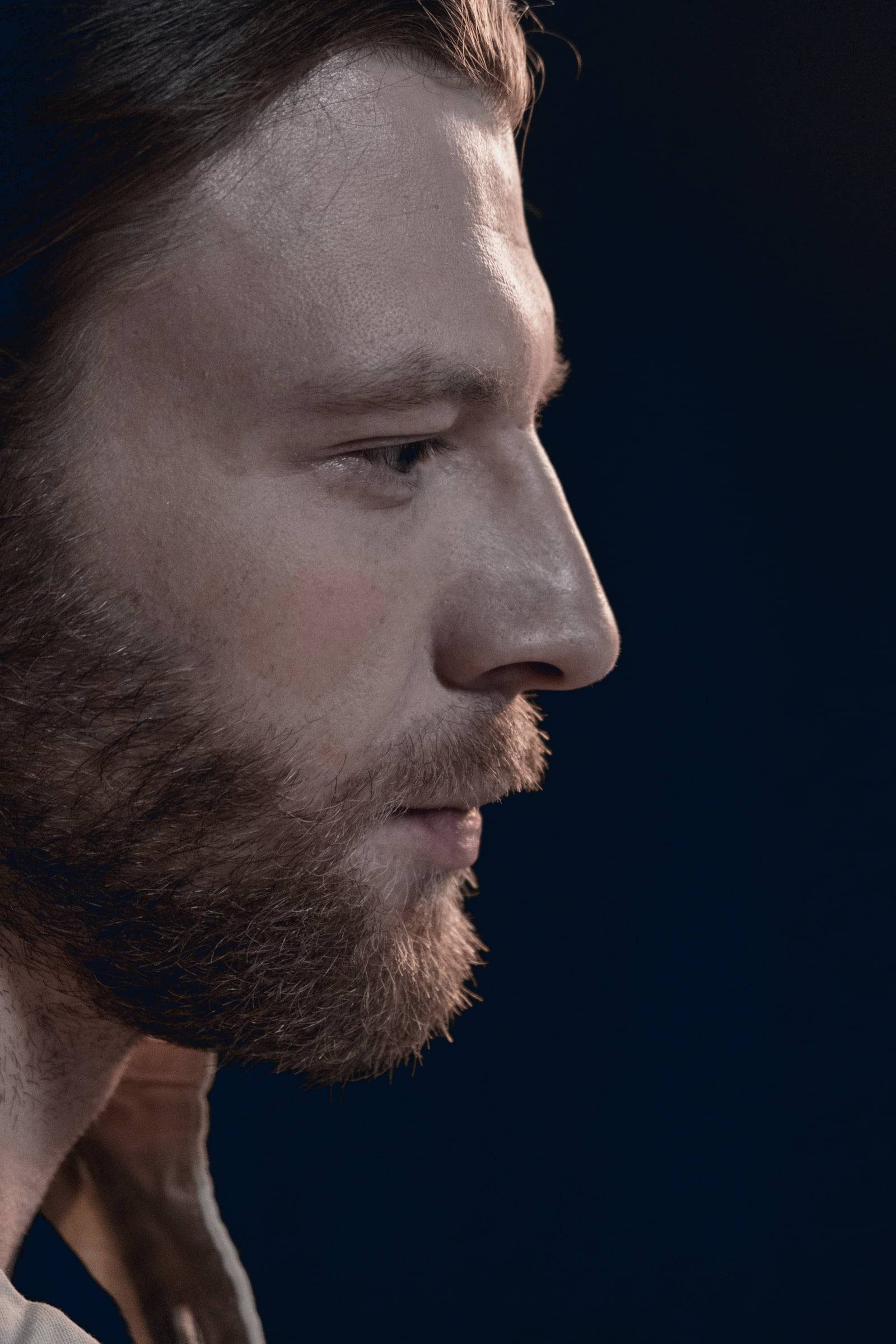
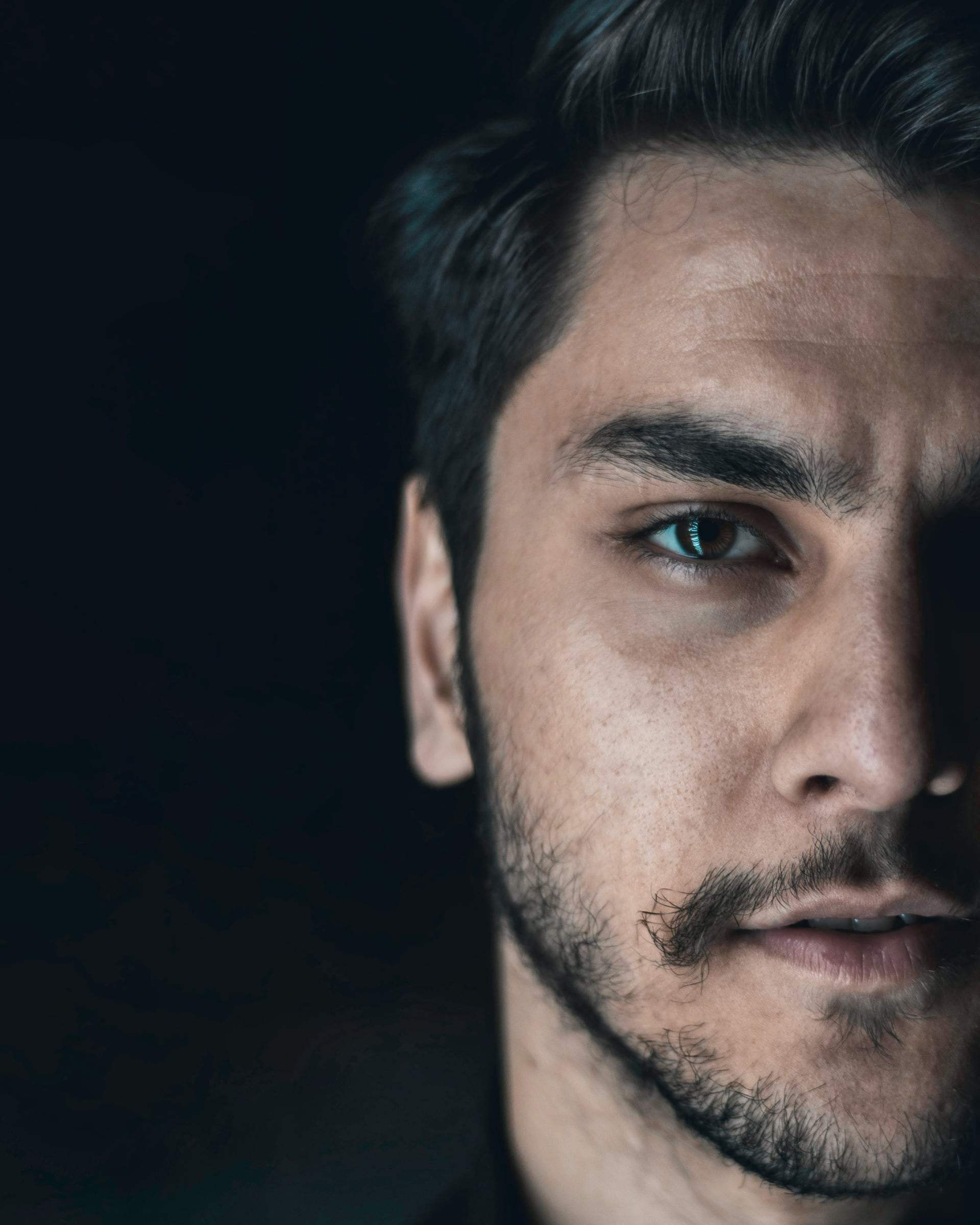
Fill patchy areas, cover a scar or build a fuller beard with hair moved from the back of your scalp. Your surgeon designs the shape with you and plans the angle of the grafts.
A beard transplant moves hair from the back of your scalp to the parts of your face where your beard is thin or missing. Each graft is a tiny piece of skin holding one or more hair roots, taken out one at a time. Hair from the back of the scalp usually keeps growing for life, so the new hairs stay once they have grown in.
Men choose it for different reasons. Some have patches on the cheeks that never filled in. Others want a stronger moustache, a clearer cheek line or hair over a scar. Your genes and hormones shape your natural beard, so the plan works with the beard you have, not against it.
Patches or a fuller beard?
The size of your plan depends on how much of your face you want to cover and how dense you want it to look. Most plans fall into one of three groups.
Your goal
What it usually involves
Typical grafts
Patches or a scar
Filling one or more gaps to match the beard around them
A few hundred
Moustache, goatee or sideburns
Building up one area
A few hundred per area
Fuller beard
Cheeks, jawline and chin built up to an even density
Roughly 1,500–3,000
These are ranges, not a quote. Our graft calculator is built for scalp hair loss. For a beard, the quickest route is a free plan from photos of your face and the back of your head.
Your donor area matters as much as your beard. The back of the scalp gives a limited number of grafts in a lifetime, usually 4,000–6,000. If you may want a scalp transplant later, a very dense beard now could use grafts you will need for your head. Your surgeon weighs both before suggesting a number.
How it works
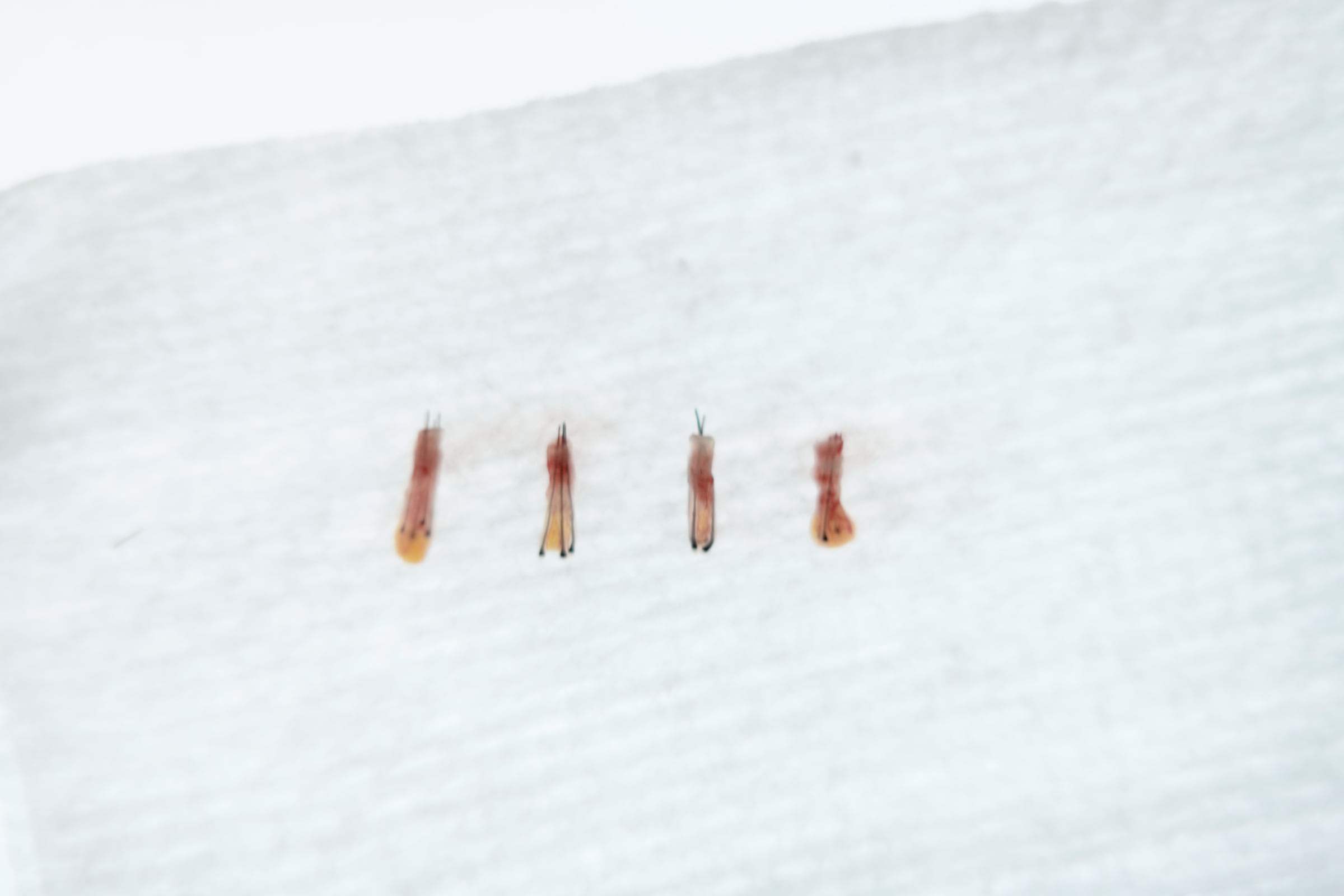
Beard hair grows mostly as single hairs or pairs. So your surgeon chooses grafts with one or two hairs from the back of your scalp, where hair resists pattern hair loss. Only the donor area is trimmed short. Your beard is usually not shaved, but you may be asked to trim it so the direction of your own hairs is easy to follow.
Where the hair comes from. The back of your scalp, mostly grafts with one or two hairs, because beard hair grows as singles and pairs.
The angle is what makes a beard look natural. Beard hairs lie almost flat against the skin, and their direction changes from the sideburns to the cheeks, the chin and the moustache. Each channel is opened to match the hairs around it. Grafts placed too upright stick out, even if they grow well.
Design matters just as much. A cheek line set too high or too sharp can look drawn on, and it may not suit you in 20 years. Your surgeon plans a shape and density that fit your face and age, and you agree it before anything starts. The procedure is done under local anaesthetic, and you stay awake throughout.
Results and recovery
Your face has a rich blood supply, so it tends to heal quickly. Small crusts form around each graft and usually fall off within 7–10 days. Redness and mild swelling settle over 1–2 weeks, although fair skin can stay pink a little longer. The donor area heals in a similar time.
Most of the transplanted hairs fall out a few weeks after surgery. This is normal: the root stays under the skin, rests, and starts growing a new hair from about month 3. Most of the result usually shows at 9–12 months. The recovery timeline shows the stages, and your aftercare plan explains how to wash your face and when you can shave.
Risks and side effects
A beard transplant is surgery, with the same kinds of risk as a scalp procedure. Most side effects are temporary: swelling, redness, numbness in the donor area, and small spots (folliculitis) or ingrown hairs as the new hairs come through. Infection is rare.
Other problems are less common but matter more: some grafts may not grow well, especially in scar tissue. Grafts set too high, too deep or at the wrong angle can leave small bumps, dips or hairs that stick out. In the donor area, taking too many grafts, or taking them carelessly, can leave visible thinning or scars. Our guide on how to choose a clinic lists the questions to ask about who does each step.
Combining with a scalp procedure
Many men ask to treat their beard and scalp on the same trip. It is often possible, but both draw on the same donor area. The plan has to make sense for your lifetime supply, not just this visit. Your surgeon may suggest a lighter beard plan, or treating the scalp first.
A session is done in one day, and we never take more than 5,000 grafts in one session, whatever the mix of beard and scalp. If your scalp is the priority, our hair transplant page explains how scalp plans are built.
Do not confuse this with using your beard as a donor. Some scalp plans take grafts from under the chin to add to the donor supply for the head. That is a different option, and your surgeon will tell you if it suits your plan.
What it costs
A beard transplant is not one of our fixed packages, because plans range from a few hundred grafts to several thousand. You get a full written price with your free plan. To see how our packages and add-ons work, visit our prices page.
Send photos of your face from the front and both sides, plus the back of your head. Our lead surgeon estimates your grafts and checks your donor area.
2
Beard design
On the day, your surgeon draws the cheek line, neckline and areas to fill with you at the mirror. You agree the shape before anything starts.
3
Taking out grafts
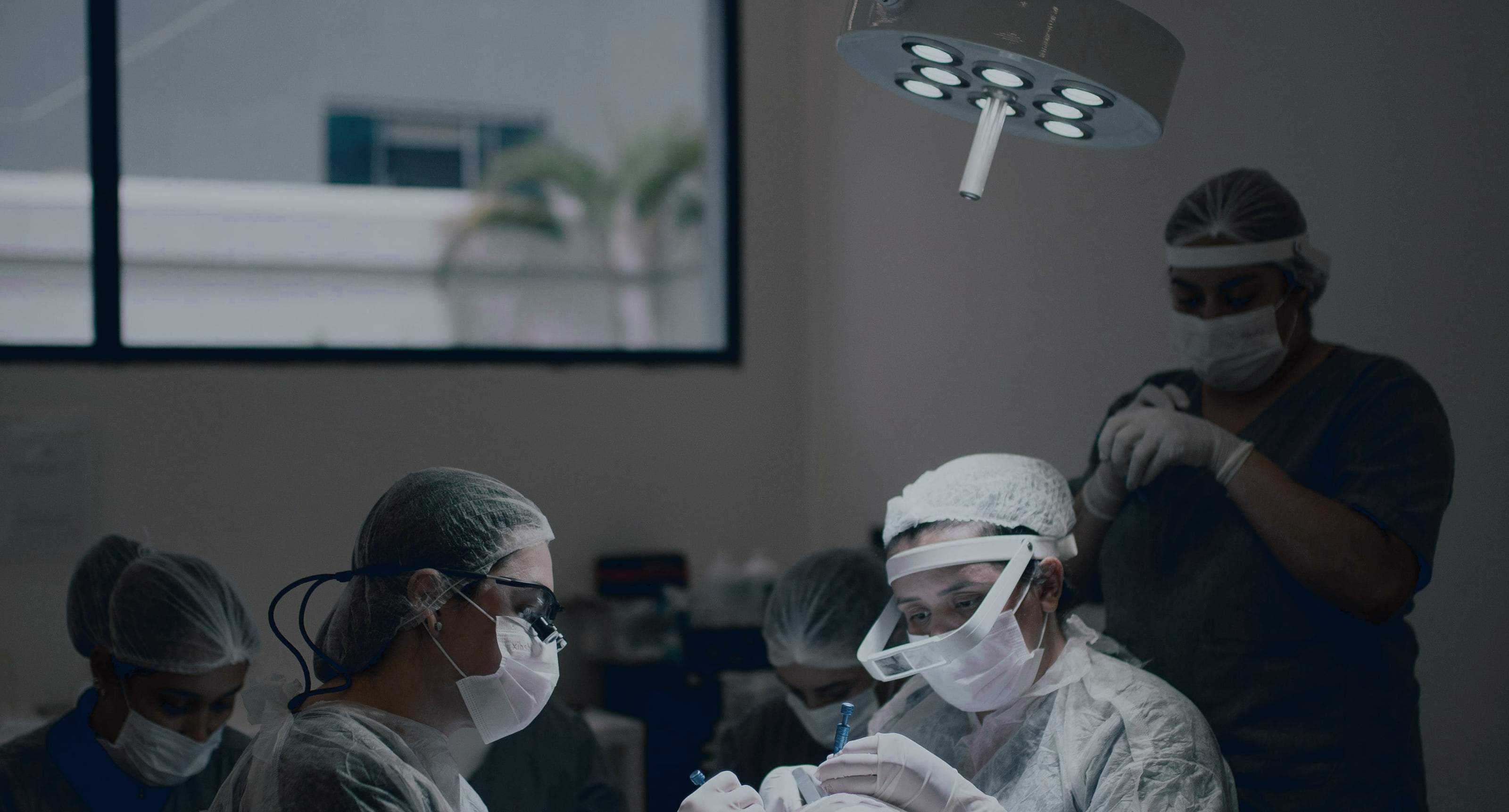
Under local anaesthetic, grafts are taken out one by one from the back of your scalp, mostly one- and two-hair grafts. Your surgeon takes out grafts personally.
4
Placing the grafts
Tiny channels are opened at the very low angle and direction your surgeon plans to follow your beard. An experienced technician team then places the grafts into them under your surgeon’s direction.
5
Healing
Small crusts on the face usually fall off within 7–10 days. Most transplanted hairs then shed, which is normal.
6
Growth and follow-up
New hairs appear from about month 3. You send photos at 1, 3, 6, 9 and 12 months, and your surgeon reviews each set.
Questions
Questions aboutBeard transplant
When can I shave or trim my beard again?
Leave the transplanted area alone until your surgeon has checked it. Many surgeons allow careful trimming after about 2–3 weeks and a razor after about 4 weeks. Your surgeon confirms the timing for you, because it depends on how your skin heals.
Will the new hair match my beard?
Scalp hair is often a little softer or finer than beard hair, and the colour can differ slightly. Placed at the right angle among your own beard hairs, it usually blends in well. It keeps growing, so you trim it with the rest of your beard.
Can I have a beard and a scalp transplant on the same trip?
Sometimes. Both take grafts from the same donor area, so your surgeon plans the total for your lifetime, not just this trip. Whatever the mix, we never take more than 5,000 grafts in one session.
Can a beard transplant cover a scar?
Often, yes, once the scar has fully settled. Hair grows less predictably in scar tissue, because its blood supply is weaker. Your surgeon may plan fewer grafts at first and suggest a second session later if needed.
How visible is it in the first weeks?
For about 7–10 days, small crusts and redness on your face are easy to see, so many men take about a week off work. After that the redness fades. Until new hair grows from about month 3, your beard looks much as it did before surgery.
Read next
RecoveryHair transplant recovery week by week: what to expectRecovery after a hair transplant from day 1 to month 18: swelling, crusts, first washes, shedding and growth, and when people return to work, gym and sun.
PlanningAm I a good candidate for a hair transplant?Who is likely to be a good candidate for a hair transplant: stable hair loss, a strong donor area and realistic goals, and when it is wiser to wait.
Send four photos. Our lead surgeon replies with your plan, graft estimate and full price, usually within 24 hours. Free, and you are not committing to anything.